Get Your Free Quote Today
Exploring the Charm of McQueeney: A Hidden Gem
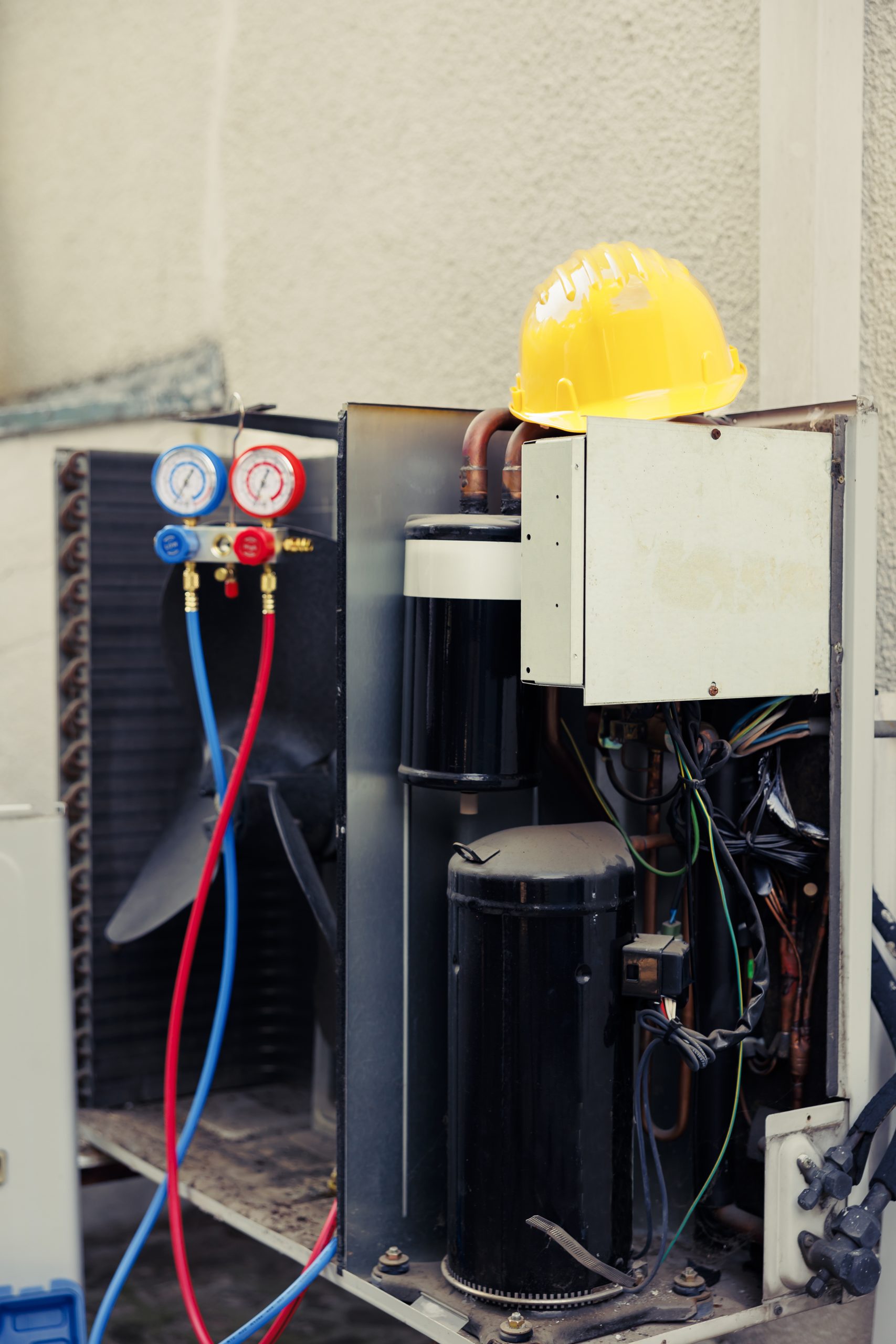
McQueeney Climate Control: Keeping Homes Comfortable
How This Growing Community Stays Cool Through Texas Heat
Climate Challenges and Home Comfort Solutions
The lakeside community near Canyon Lake experiences the full spectrum of Central Texas weather patterns, making climate control systems work overtime throughout the year. Summer temperatures regularly climb into the upper 90s and can stay above 100 degrees for days at a stretch, while winter cold snaps occasionally push overnight lows into the 20s. This dramatic temperature swing means heating and cooling equipment faces constant demands that test even the most well-maintained systems.
Humidity from nearby Canyon Lake adds another layer of complexity. During summer months, moisture levels can make the air feel even hotter than the thermometer suggests, forcing air conditioning units to work harder to remove humidity while cooling indoor spaces. This extra workload shortens equipment lifespan if systems aren’t properly maintained or sized correctly for the home. Many homeowners notice their energy bills spike during July and August when AC units run almost continuously to maintain comfortable indoor temperatures.
The geography also creates unique microclimates across different neighborhoods. Homes closer to the water may experience slightly cooler breezes in summer but higher humidity year-round, while properties on higher ground face more direct sun exposure and wind. These variations mean one-size-fits-all approaches to HVAC contractor services rarely deliver optimal results. System design must account for your specific property’s exposure, insulation quality, and typical occupancy patterns to maintain consistent indoor comfort without wasting energy.
When Systems Work Hardest in This Region
AC repair services see the highest demand during late spring and early summer when families fire up their cooling systems after months of lighter use. Equipment that sat relatively idle through mild winter months suddenly runs 12 to 16 hours daily, exposing any developing problems that weren’t obvious during the off-season. Refrigerant leaks, failing capacitors, worn fan motors, and dirty coils all reveal themselves once the system faces sustained high-temperature operation. The first 95-degree weekend in May typically triggers a wave of service calls from households discovering their cooling isn’t keeping up.
August represents the true test for aging equipment. After months of continuous operation, systems that were marginal in June often fail completely during the hottest weeks of summer. AC maintenance services performed in early spring catch many of these potential failures before they strand families in sweltering heat. Technicians checking refrigerant levels, cleaning coils, testing electrical connections, and evaluating overall system performance can identify components likely to fail and replace them during scheduled visits rather than emergency calls.
Heating contractor needs spike during the brief but intense cold periods between December and February. While heating seasons here are shorter than cooling seasons, the sudden temperature drops catch many households off-guard. Furnaces and heat pumps that haven’t run since the previous winter may have developed issues during months of inactivity. Ignition problems, failed limit switches, clogged burners, and heat exchanger cracks all prevent systems from delivering adequate warmth when families need it most. The few truly cold weeks each winter create concentrated demand for heating repairs that can mean longer wait times for service if problems arise.
Commercial Operations and Refrigeration Needs
Local restaurants, convenience stores, and small businesses depend on commercial refrigeration services to protect inventory and serve customers safely. A walk-in cooler failure at a lakeside restaurant during peak summer tourist season can mean thousands of dollars in spoiled food and lost revenue within hours. Commercial HVAC repair operates on tighter timelines than residential work because business operations and public health standards don’t allow for extended downtime. Restaurant owners know that a malfunctioning refrigeration system isn’t just an inconvenience but a potential business-ending crisis if health inspectors find temperature violations.
Commercial HVAC Services requirements differ significantly from residential needs in both scale and complexity. Retail spaces near the lake that serve tourists need powerful cooling systems capable of handling constant door openings, high occupancy, and extended operating hours seven days a week during busy seasons. These commercial HVAC installation projects require careful load calculations that account for foot traffic patterns, equipment heat output from kitchens or server rooms, and the building’s sun exposure throughout the day. Undersized systems struggle to maintain comfortable shopping environments, while oversized equipment cycles on and off too frequently, wasting energy and wearing out components prematurely.
Commercial HVAC maintenance schedules run more frequently than residential services because equipment operates longer hours under heavier loads. Quarterly service visits for commercial refrigeration repair help identify worn gaskets, struggling compressors, and refrigerant issues before they escalate into complete system failures. Filter changes happen monthly rather than seasonally, and technicians monitor commercial HVAC Services performance metrics to catch efficiency declines that signal developing problems. For business owners, the cost of preventive maintenance is a small fraction of the revenue loss from unexpected equipment failures during peak business periods.
Routine Care That Prevents Costly Breakdowns
Smart homeowners schedule AC maintenance services before the cooling season begins in earnest, typically in March or April. This timing allows technicians to work through maintenance appointments before the rush of emergency repair calls that arrives with the first heat wave. Pre-season maintenance visits include cleaning indoor and outdoor coils, checking refrigerant charge, testing electrical components, lubricating moving parts, and verifying that thermostats accurately control system operation. These steps extend equipment life, improve energy efficiency, and dramatically reduce the likelihood of mid-summer breakdowns when you need cooling most.
Replacing air filters regularly makes a measurable difference in system performance and indoor air quality services. During high-pollen spring months and dusty summer conditions, filters capture enormous amounts of airborne particles that would otherwise coat indoor coils and circulate through living spaces. Most residential systems need filter changes every 30 to 60 days during heavy-use months, though homes with pets or allergy sufferers benefit from even more frequent replacements. A clogged filter forces your system to work harder, wastes energy, and can cause the evaporator coil to freeze, leading to an emergency AC repair call that could have been prevented with a five-dollar filter.
Paying attention to your system’s behavior helps catch small problems before they become expensive failures. AC installer teams educate homeowners to watch for warning signs like unusual noises, weak airflow from vents, ice formation on refrigerant lines, or rooms that won’t reach the temperature set on the thermostat. Any of these symptoms indicates developing problems that AC repair services can address quickly when caught early. Waiting until the system stops working completely often means more extensive damage has occurred, resulting in higher repair costs or even premature equipment replacement. The few minutes spent noticing how your system runs normally makes it easier to spot when something changes and needs attention.
For households with aging equipment, planning for eventual replacement makes financial sense. Systems more than 12 to 15 years old increasingly face expensive repairs as components wear out, and newer equipment offers significantly better energy efficiency that reduces monthly utility costs. An AC installer can evaluate your current system’s remaining useful life and help you budget for replacement on your timeline rather than during an emergency when options are limited and decisions feel rushed. Many families choose to replace functioning but aging systems during mild spring or fall weather, taking advantage of off-season pricing and ensuring they enter the demanding summer months with equipment they can count on.
Indoor Air Quality Concerns for Lake Communities
Regular maintenance appointments catch small issues before they become expensive emergencies. During a typical AC maintenance visit, technicians clean condenser coils that accumulate dust and pollen, check refrigerant levels to ensure optimal cooling efficiency, inspect electrical connections for signs of wear, and verify that drainage systems are clear. These seemingly minor tasks make the difference between a system that runs smoothly all summer and one that fails on the hottest afternoon of July.
Many homeowners near Canyon Lake learned this lesson the hard way after skipping maintenance for two or three seasons. A clogged condensate drain line can cause water damage inside walls, while low refrigerant levels force the compressor to work harder and burn out prematurely. The cost of replacing a compressor often approaches half the price of a new system, making preventive care a smart investment. Heating contractor services follow the same principle during fall check-ups, ensuring furnaces and heat pumps are ready when overnight temperatures drop.
Commercial HVAC maintenance operates on a more intensive schedule because business systems run longer hours and serve more people. A retail shop that opens at seven in the morning and closes at nine at night asks far more from its equipment than a residential system that cools an empty house during work hours. Quarterly maintenance visits help commercial clients avoid the scenario where a dining room becomes uncomfortably warm during the dinner rush or a retail space loses climate control on a busy Saturday. The relationship between consistent upkeep and system longevity is clear: equipment that receives regular attention routinely operates 10 to 15 years, while neglected systems often fail within seven or eight years.
Do you service McQueeney?
Yes, we service McQueeney and all communities within a 50-mile radius of Seguin. We handle air conditioning installation, repair, and maintenance, heating services, indoor air quality equipment, and commercial refrigeration for both homes and businesses throughout the area. Call us at 830-305-4788 to schedule service or discuss your specific needs in McQueeney.
Do you offer free estimates?
We offer free estimates for system installations and replacements, so you’ll know the full cost before any work begins. For repair visits, we charge a standard diagnostic fee that covers the time to identify the problem, and we’ll provide a clear quote for any needed repairs before proceeding. We believe in transparent pricing with no surprise charges, and our team will walk you through all your options and associated costs. Contact us at 830-305-4788 to request your free installation estimate or schedule a repair diagnostic.
How quickly can you get to my home in McQueeney if my AC stops working?
We prioritize emergency calls and can typically arrive the same day or within 24 hours, depending on our current schedule and the severity of the situation. During peak summer months when temperatures exceed 100 degrees, AC failures become urgent, and we do everything possible to get systems back online quickly. For non-emergency maintenance and installations, we’ll work with your schedule to find a convenient appointment time. Call 830-305-4788 for emergency service or to schedule your appointment.
How long does an AC repair or installation take?
Most AC repairs take between one and three hours, depending on the issue, while a complete system installation typically requires one full day for residential properties. We’ll assess your specific situation during the diagnostic visit and give you an accurate time estimate before starting work. Commercial HVAC and refrigeration projects vary based on system size and complexity, but we schedule these to minimize disruption to your business operations. Reach out to us at 830-305-4788 to discuss your project timeline.
What payment methods do you accept?
We accept multiple payment methods including cash, checks, and all major credit cards to make the process as convenient as possible. For larger installations and system replacements, we can discuss financing options that fit your budget and allow you to get the comfort you need without delay. Our goal is to make quality heating and cooling accessible, not a financial burden. Call us at 830-305-4788 to discuss payment options for your specific project.